


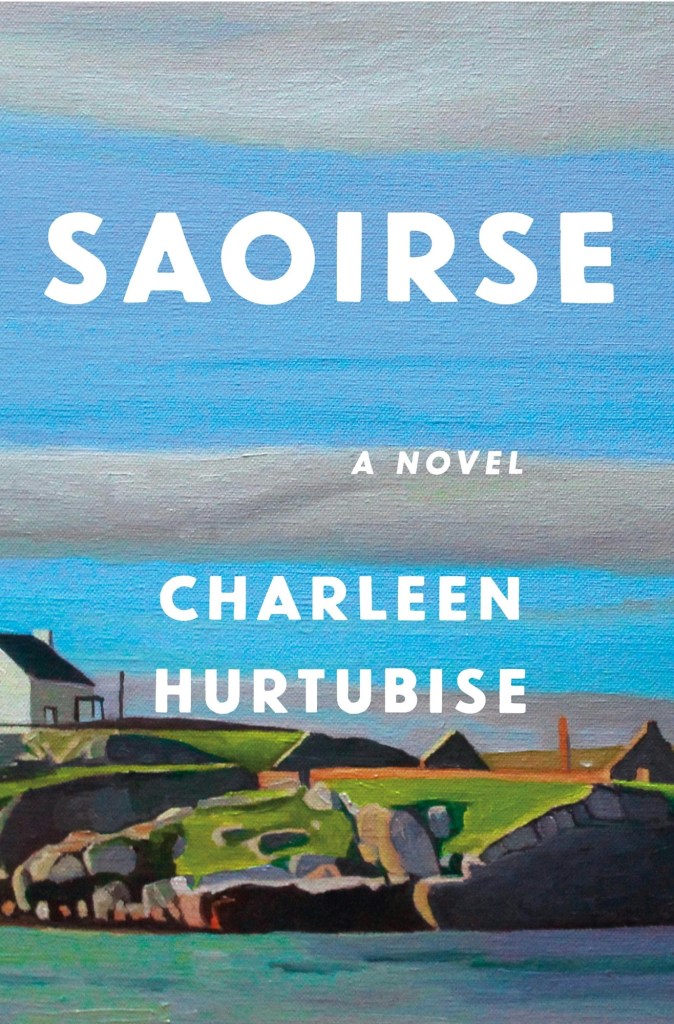
The title of this book, Saoirse, is an Irish name that means freedom. And, in this powerful novel, a US debut for this American writer living and working in Ireland for the last few decades, the main character longs for just that…freedom from her past, from her trauma, from her fears of her past catching up with her.
Saoirse (Celadon Books, February 24, 2026, 246 pages) is author Charleen Hurtubise’s second novel, although her first published in the US.
It is a wild ride of a novel, wild like the rural coastline of Ireland where the waves of the North Atlantic Ocean beat against the granite cliffs and rocky beaches of one of the novel’s settings, Donegal. Most of the rest of the novel takes place in Dublin, in present time, while Saoirse’s backstory takes place in Michigan.
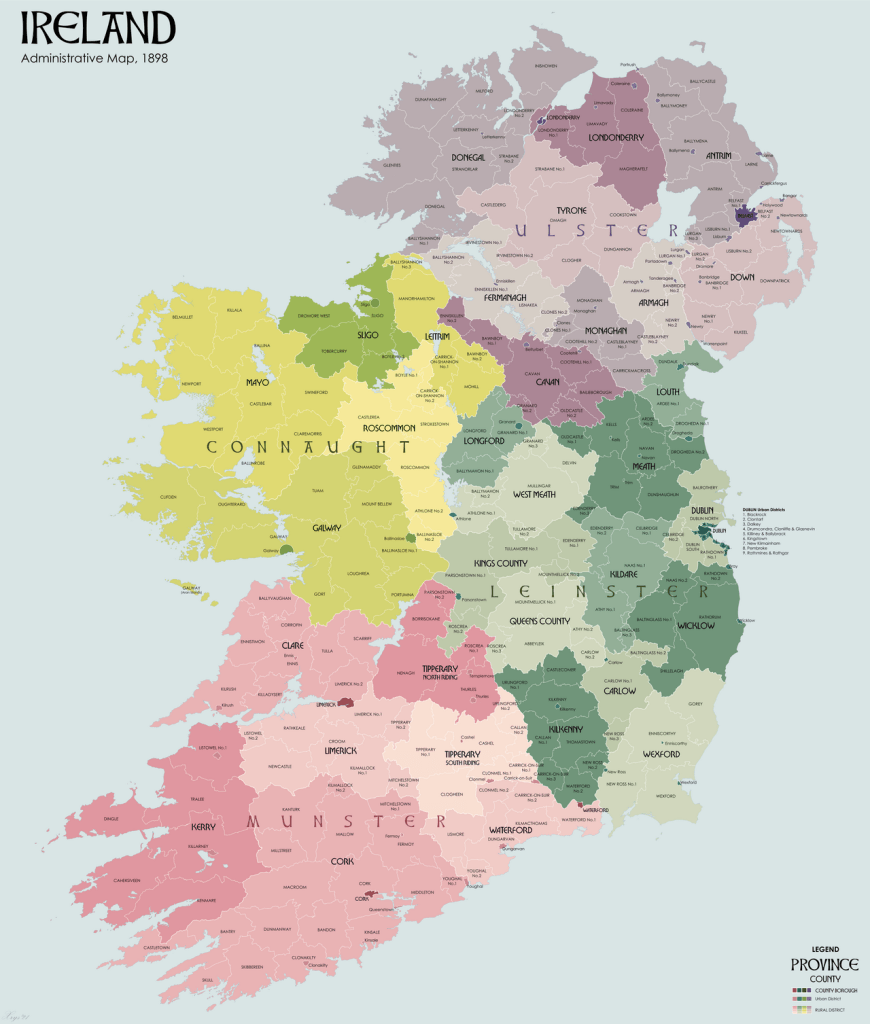
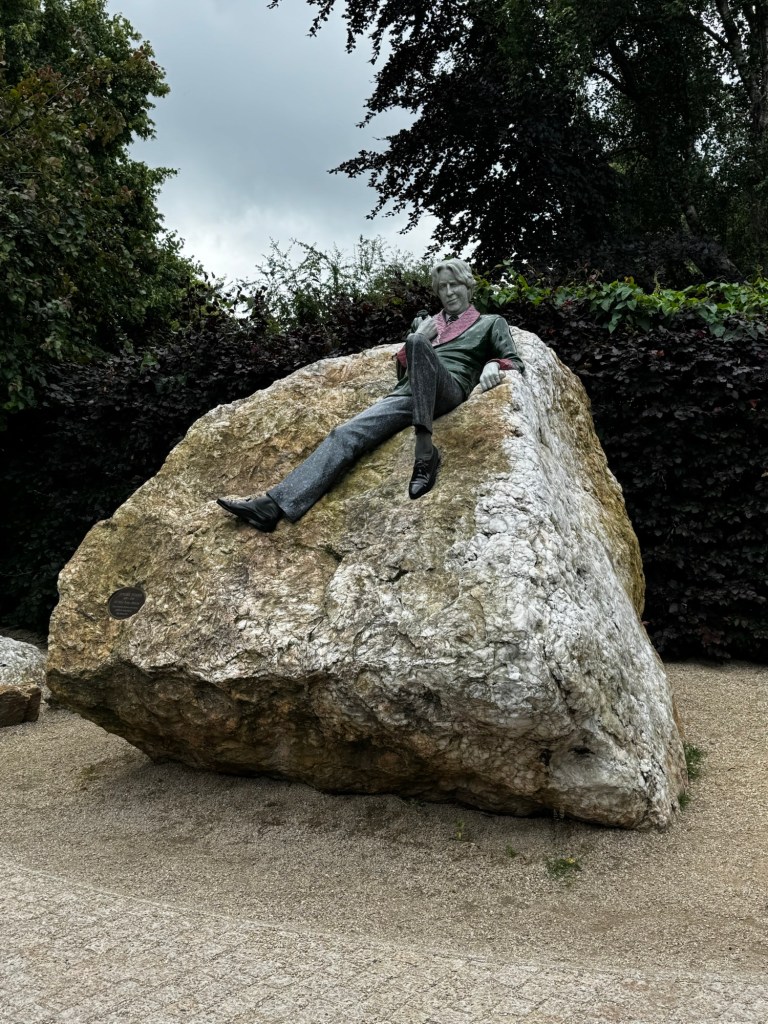
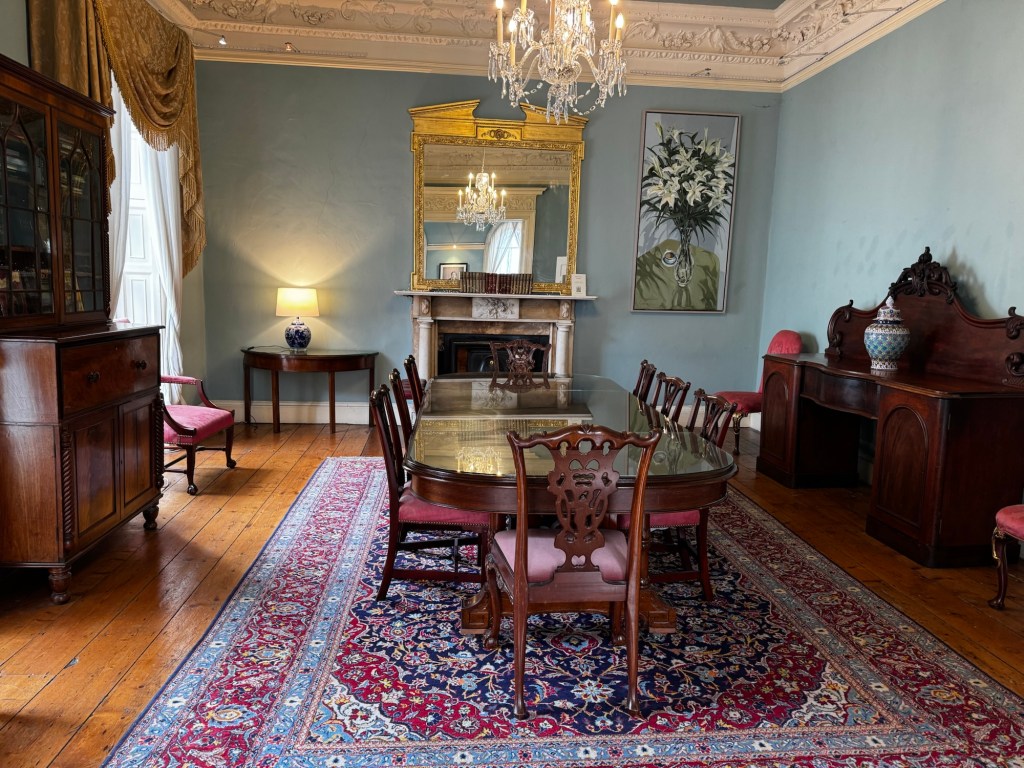
I’ve been lucky enough to visit Ireland twice, once in 2002 and again in 2024. In that span of 22 years, one thing did not change: the unbelievably greenness of Ireland. It earned its nickname “the Emerald Isle” honestly.
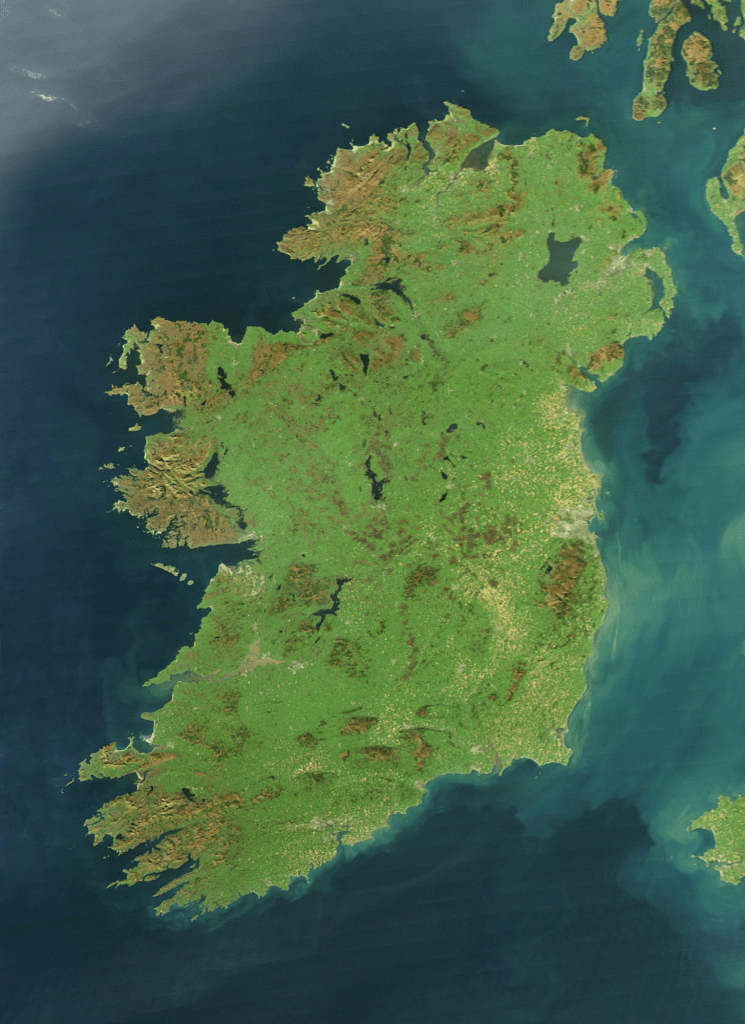
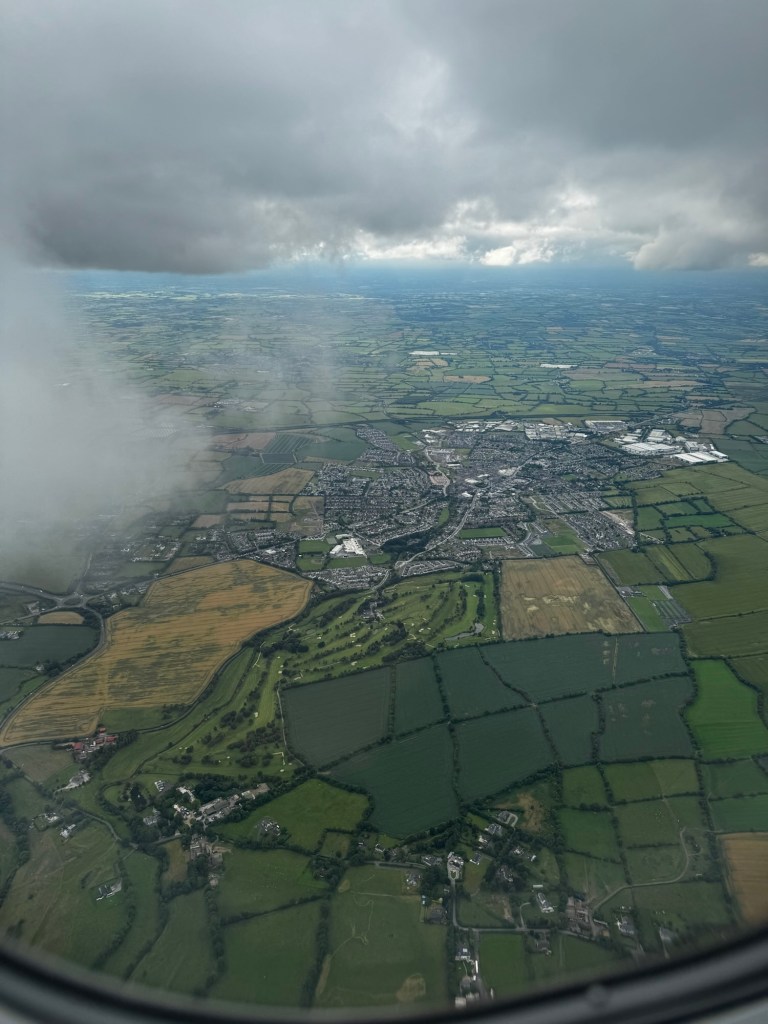

My visits to Ireland were far from the experience that brought Saoirse to Dublin. The first visit was with my husband and two daughters, and we were typical tourists hitting the main sites of Dublin and a day trip to Cork to visit a priest friend. My second trip was just my husband and me, again visiting a good friend and seeing a few more of the sites of Dublin.
If you’ve read any of my previous essays and book reviews, you will know that I had a perfectly normal, albeit modest, childhood with loving parents and two brothers in a very small town of about 800 in southeast Louisiana. Saoirse, on the other hand, has had to beg, borrow, and steal for every single thing she has ever had. Even if you don’t enjoy this novel (which I did), you must have some sympathy for the childhood and young adult life Saoirse has experienced. Not all of the characters in this novel feel the same way.
This novel bounces around a lot, much like the character Saoirse in her quest for freedom. At times, I wished the passages from the different time settings were a bit longer so as to separate them. But, the pacing was compulsive and kept me reading to see what would happen next in both the present day and in the retelling of her backstory.
If you’ve read my review of My Friends by Fredrik Backman, you will know that I didn’t enjoy the storyline about neglected and abused children, fighting and scraping to get by in life mostly on their own because they had parents who couldn’t or wouldn’t provide for them. As I was reading Saoirse, I thought about My Friends and those children in that story. Backman definitely adds some humor to his darkness, while Hurtubise’s work has few light moments. In spite of that, however, I enjoyed Saoirse so much more than My Friends.
In preparing to write this review, I read a review from an Irish newspaper that said Saoirse shares some of the darkness, “the gothic tension, secrets, and unsettling domestic environments” of one of my favorite books of all times, Rebecca by Daphne du Maurier. I myself did not see that, but it makes sense that I did enjoy this book even though it is not my normal reading fare.
One theme of Saoirse is love, even with all of the pain of Saoirse’s past, her childhood, and part of her present story. The author does a very realistic job of expressing the love of an older sister, of a young mother, of a man she knows she cannot have because of her past is too horrible for him to love her. It is not until Saoirse learns how to love herself, because no one loved her for so long, not even her own mother, that she begins to experience the love of others and can accept that love fully.
This novel manages to weave together all of those elements with the power of art, the ability of art to heal wounds, the therapeutic nature of art to evoke such strong emotions.
A few years ago my daughter gave me a DNA test as one of my Christmas presents. I did the test, fully knowing my own heritage was 50% Cajun and 50% Scottish, as my mother was first generation Scottish American. All of her mother’s and father’s people were from Glasgow, Scotland. So, you can imagine my shock when the results came back indicating that I was actually only 40% Cajun (with a smattering of small percentages of other places from my father’s heritage) and the rest…well, the majority of it was Irish.
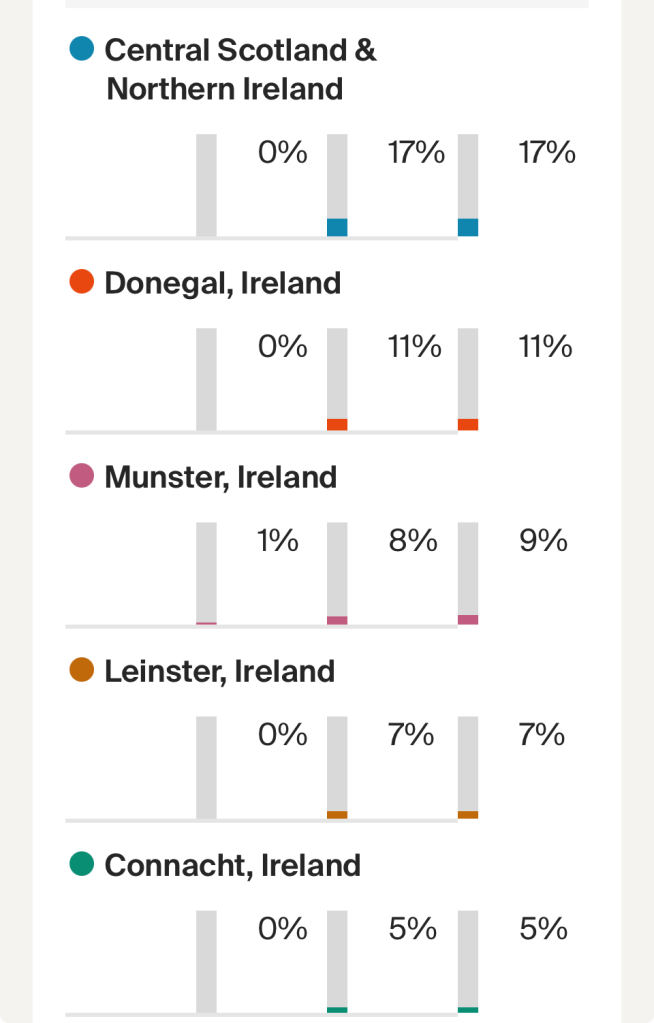
Perhaps that 11% of Donegal in me helped me really enjoy this book! Next trip to Ireland, I must visit Donegal and walk along the headland and feel the salt mist against my skin. I would love to once again see the shocking greenness of Ireland and experience the kindness and openness of the Irish people we encountered on our recent trip there, from waitstaff to taxi drivers to people we met in the elevator at the metro. All of these feelings were awakened in reading this novel.
Thank you to NetGalley, Celadon Books, and Charleen Hurtubise for the ebook of Saoirse to read and review.


Comment here!