


If this book review sounds like I can’t make up my mind, that’s probably because I can’t. I just finished The Calamity Club by Kathryn Stockett, and I really don’t know how I feel about it.
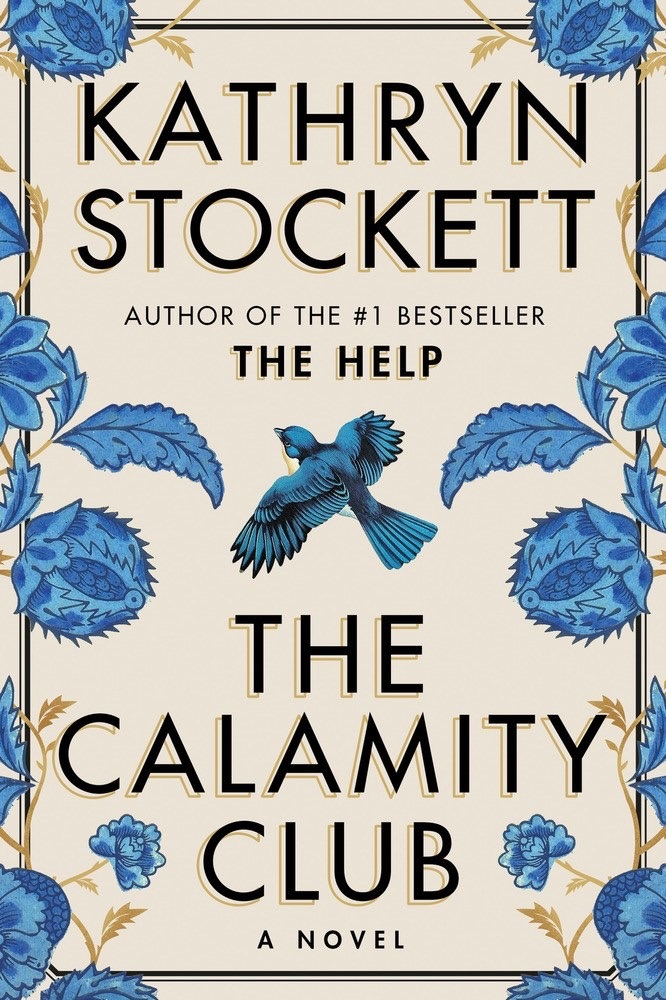
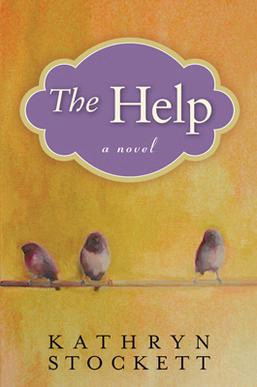
The Calamity Club is the sophomore novel of Kathryn Stockett, whose debut novel The Help has sold over 15 million copies and reached the big screen starring Emma Stone and Octavia Spencer. I read The Help in just a few days, even though it was a doorstop of a book coming in at 451 pages, and I wrote an enthusiastic review of it, giving it 5 stars on Goodreads. When The Calamity Club showed up in my NetGalley listings, I thought, “hmmm, is this only her second novel, some 17 years later?”
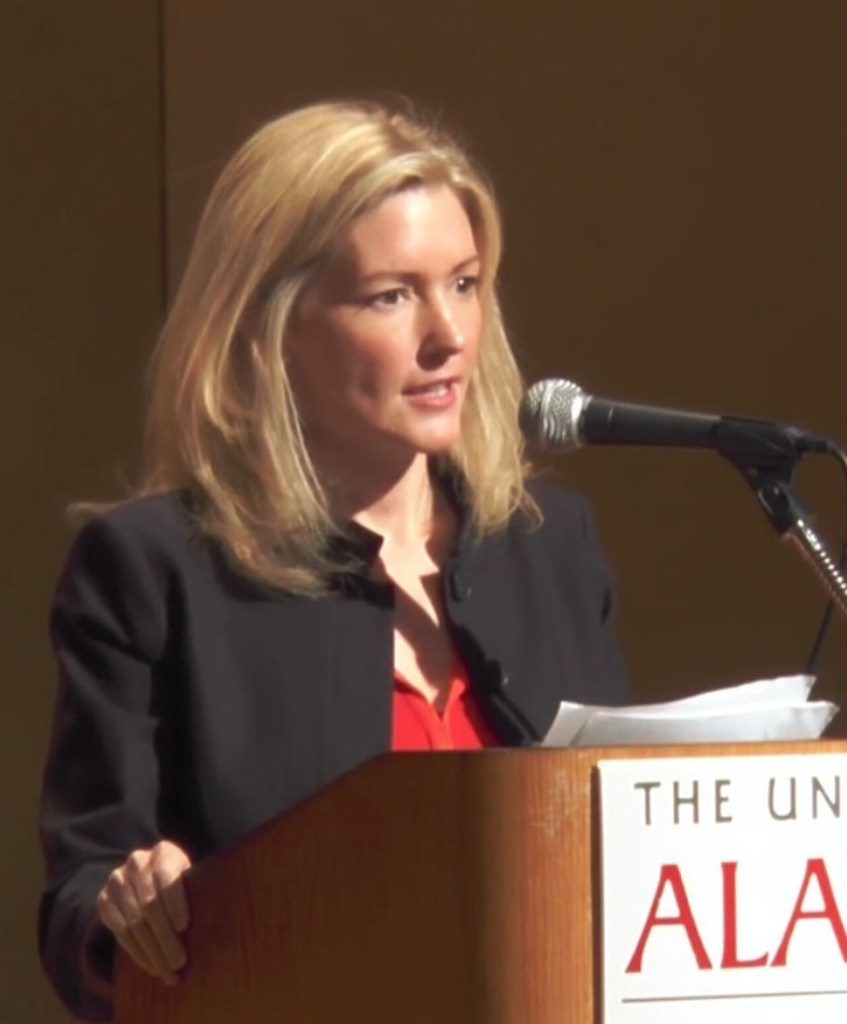
Indeed, it is Stockett’s second novel, and in an interview she explained why.
When NetGalley approved my request for an ARC, I immediately jumped in. I had a feeling this book would be a hot topic in my online book clubs. But after reading just a bit of it, I put it on the side. I just didn’t love the beginning.
The truth of the matter is that I was dying to read the Emma M. Lion series by Beth Brower, and so I did just that. I read all 8 volumes one after another, and I loved every minute of it.
But two months later, everyone in my online book clubs was still talking about Stockett’s second book, so I gave it another go. I had to start over from the beginning, and this time I got past the beginning.
Now a few days after I’ve finished it, I have found myself thinking about the characters telling the story in alternating narratives, Birdie and Meg. To be honest, I loved the middle of the book, which spanned many, many pages since this one is even more of a doorstop at 656 pages.
It’s that huge number, 656, that comes up in a lot of online reviews. It is long, and the middle section in particular feels long. And, then, just as if Stockett ran out of steam (or ink in her printer), the end just happens very, very quickly. I mean, I actually kept clicking on my Kindle to turn the page, because surely there was more?
So, am I recommending you read this book? YES. I found the character of Meg to be so well developed. She has seen and experienced more in her short years than I have had in my own much, much longer life. My heart breaks for her on almost every page.
Very early on in the book, Meg describes how Miss Garnett would discipline her, by pinching her up “under my arm where the skin is soft, so hard my eyes would smart.” This brought back memories of my perfectly normal childhood, when my mother would do the same to my brothers and me when we misbehaved in church. But believe me, while the pinch was the extent of my mother’s physical discipline methods, poor Meg suffered much, much worse.
For every sad thing that happened to Meg, and there were many, Stockett managed to leave Meg with a “can do” attitude, with a stiff upper lip, with a snarky inner dialogue. When she is riding in the car with Tom and Lucille, she keeps asking Tom if each house along the way is where he lives. Lucille is sleeping so Tom finally gives an answer to Meg that he hopes will keep her quiet so she doesn’t wake up Lucille. Here’s the little exchange:
Tom: “I’ll let you know when we’re getting close. Would that be alright?”
Meg: “Yes sir, that will be fine.”
Meg narrates: I watch the road slipping by and tell myself to fasten my lip. Do not go wearing these folks out on the very first day. Just do your work like you are told. Or you will get sent right back to who you got away from. Lord knows I have seen it happen.
Meg, who is wise beyond her years and her poor if any education, understands that she needs to watch her p’s and q’s. And this poor child, all of 11 years old, thinks she is being brought there to WORK for Tom and Lucille.
It will be a long while that I will think of Meg, and if this book makes it to the big screen, or based on the interview above, the little screen, I can’t wait to see who is chosen to portray Meg, and how that character is brought to life.
This was a tough read for me. I grew up in Louisiana, about 6 hours from Oxford, Mississippi, where most of the book takes place. I was born, nearly 25 years or so after the time frame of this book, into a very segregated community, which very slowly changed over the years I was still living at home. I could feel the racial tension in this book, and when I read The Help, I could feel it there, too. To be honest, I would rather not read about that time period, but these characters were absolutely worth it.
In the interview, Stockett mentions that her research led her to learn about how “feeble minded and promiscuous women” were dealt with back then. She intended for that to be a major theme of this book. For me, the life of an orphan during this time, and the general stress of people living during the Depression Era with the constant worry over money and jobs, played a larger part in the storyline. The minor characters in the book—Frances, Charlie, Mrs. Tartt, Rory, Esmeralda, Ruby, Flossy, the twins—were all desperate women trying so hard to get by, so hard to get to place of comfort and acceptance.
Thank you to NetGalley, Spiegel & Grau, and Kathryn Stockett for the ARC of this novel. I’m happy to be part of the large reading community already spending time in Oxford, Mississippi.


Comment here!